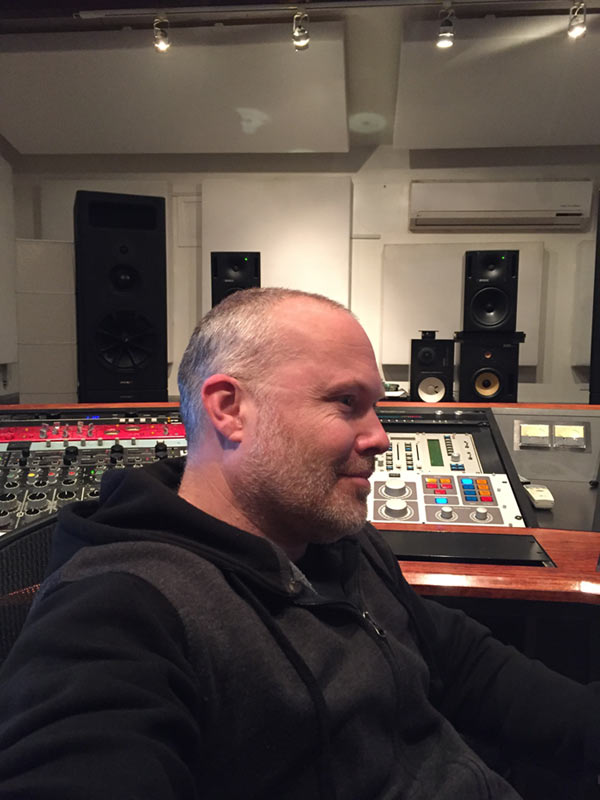












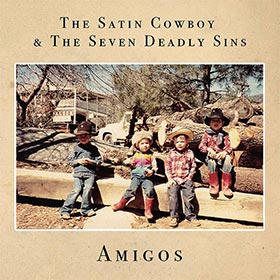




“Hello and thanks for dropping by. I provide expert & affordable mastering to artists from all walks of life looking for a more personal, musical touch. I master for streaming, Apple Digital Masters, CD, vinyl optimization and all variations in between. If you’re looking for a reliable second pair of ears and somebody you can actually speak with, please hit me up for a free test. I love what I do, take pride in my work and won’t let the lack of a big budget and a lame A & R guy stand in the way of making your music sound great.”
– Hans DeKline
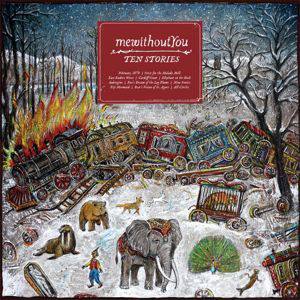
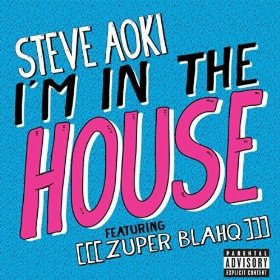
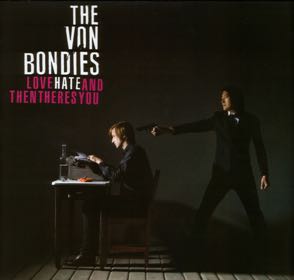
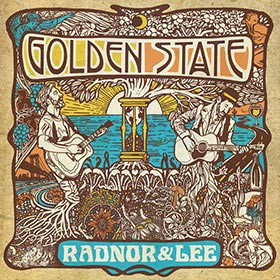
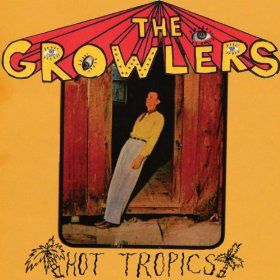
Hans DeKline is a Grammy-winning, Los Angeles mastering engineer with 1.6 billion streams and counting. Since 2005 he has mastered thousands of songs & albums by artists such as U2, Pixies, Cold War Kids, UMI, Lisa Loeb, Burna Boy, Jamila Woods, Eryn Allen Kane, mewithoutYou, Touche Amore, Veruca Salt, DJ AM, James Fearnley (the Pogues), Letters to Cleo, Candiria, Terror Jr, Matt Nathanson, Twista, Jesca Hoop, Papa M, Skating Polly, Gary Jules, Ninja Sex Party, Tim Finn, Ben Lee, JMSN, The Growlers, The Von Bondies, Partyshank, Jon Lajoie, The Romantics, Steve Aoki, PaceWon & YOU!
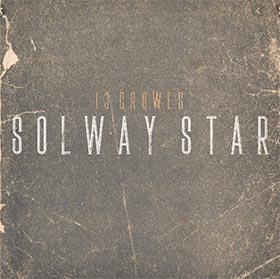
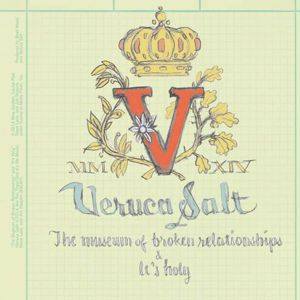
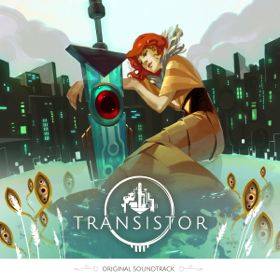
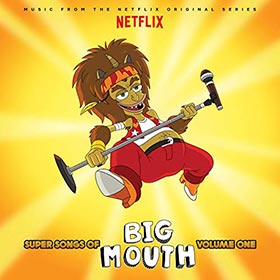
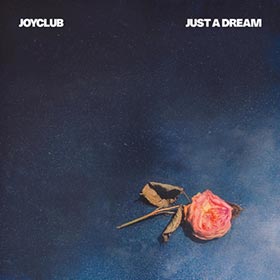
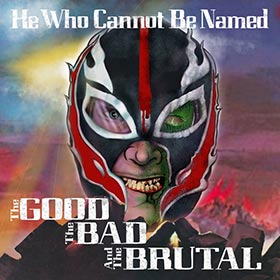
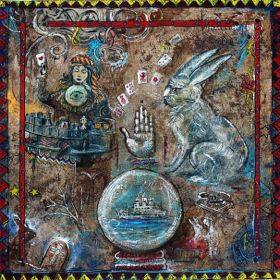
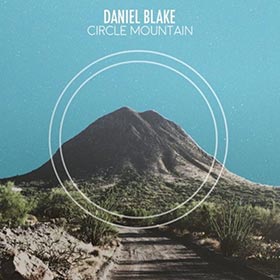
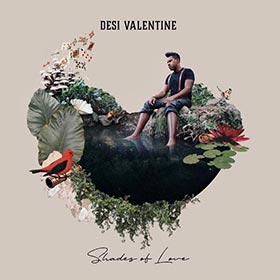
Select Discography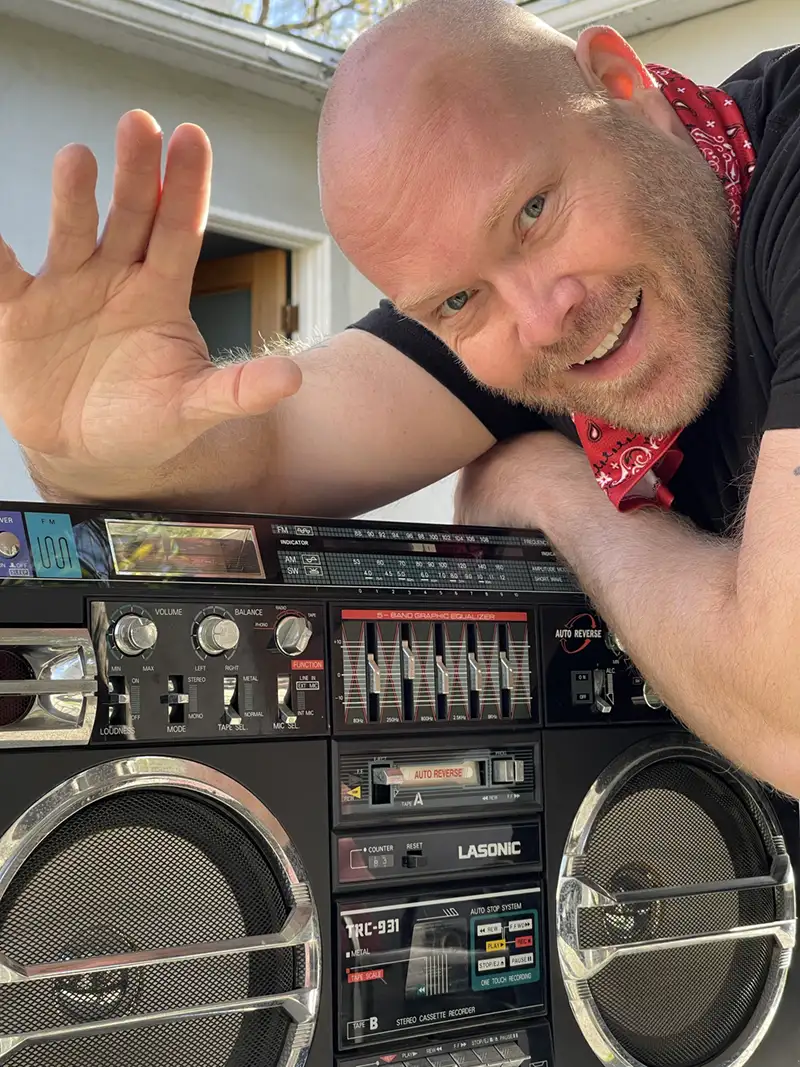
“Hans has been mastering records I produce since 2012 and he continues to impress me with his skill, speed and great sense of humor. Mastering is not just a science, it can be a therapist’s job at times and Hans is great at all that stuff.”
“Hans has mastered so many of my albums. I’m kind of obsessed with this stage of the record making project, and Hans always pays a lot of attention to all of the details and never gets frustrated when we have subtle changes. He’s patient and very attentive to details. I always recommend him to all of the musicians in my community for their albums too!”
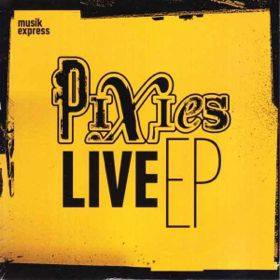
“Hans has mastered a live Pixies album and it was perfectly enhanced. He also mastered The Everybody (my project with David Lovering). He understood the vibe of the records and maintained their intention. Let’s make mastering great again.”
“Hans has mastered several of my projects now and Ive never been disappointed. I like collaborators who are low maintainance, positive and have a commitment to excellence and Hans is all of these things and more.”
“Actually, the mastering engineer made this record listenable. I mixed it myself, and I did the best that I could. But Hans DeKline, for anybody out there who’s looking for a great mastering engineer– I’m not kidding… if you heard the mixes versus the record… I just don’t know how he did it. I didn’t want anyone else to have their hands on it. I just wanted to try and do the best that I could. It’s funny when I listen to the mixes now, it’s like, ‘holy sxxt. How did he do that?’ I’m serious. He may as well have been a player on the record. Hans is great.”
“How would I describe Hans’ work – subtle and tasteful. His years of experience give him the ears to know what to or not to do. You don’t get back a hyper-compressed square wave, just a better and more polished version of where you started. The best!”
“Hans has been my go to mastering engineer for ten years now. My mixes always come back true to my vision but bigger and better sounding. Clients always thank me for bringing their albums to him.”

“Hans DeKline has mastered not only my own albums but all of our Big Little Lions albums and working with him is always a pleasure. Not only are his mastering skills flawless, but his communication during the process makes the whole experience stress free. I will be using his services for any future projects.”
“I’ve worked with Hans for over 15 years. When it’s up to me, he masters everything I produce. He’s the master of mastering! He’s got great ears and knows exactly what each project needs in order to sound amazing, no matter the style of music. And some people say he is the only person on earth that can actually polish a turd. But that’s just what I’ve heard.”

BEFORE MASTERING:
AFTER MASTERING:

BEFORE MASTERING:
AFTER MASTERING:

BEFORE MASTERING:
AFTER MASTERING:
BEFORE MASTERING:
AFTER MASTERING:

BEFORE MASTERING:
AFTER MASTERING:

BEFORE MASTERING:
AFTER MASTERING:

BEFORE MASTERING:
AFTER MASTERING:
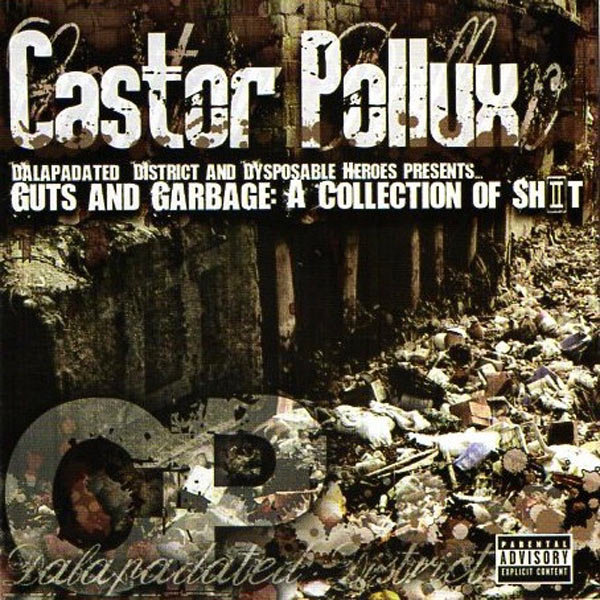
BEFORE MASTERING:
AFTER MASTERING:
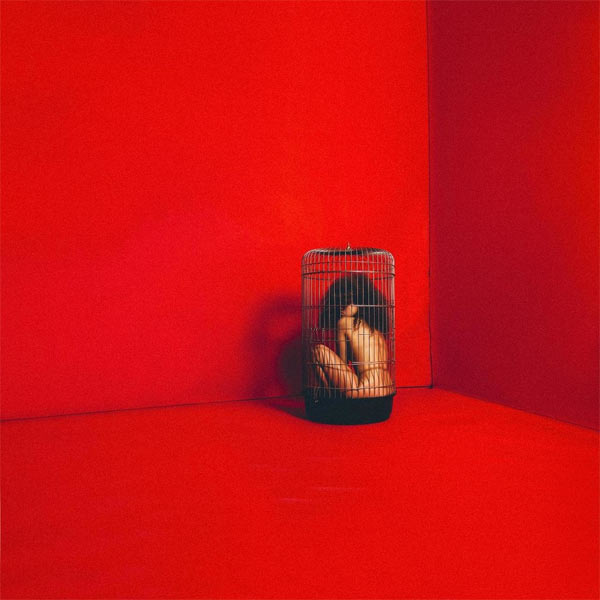
BEFORE MASTERING:
AFTER MASTERING:
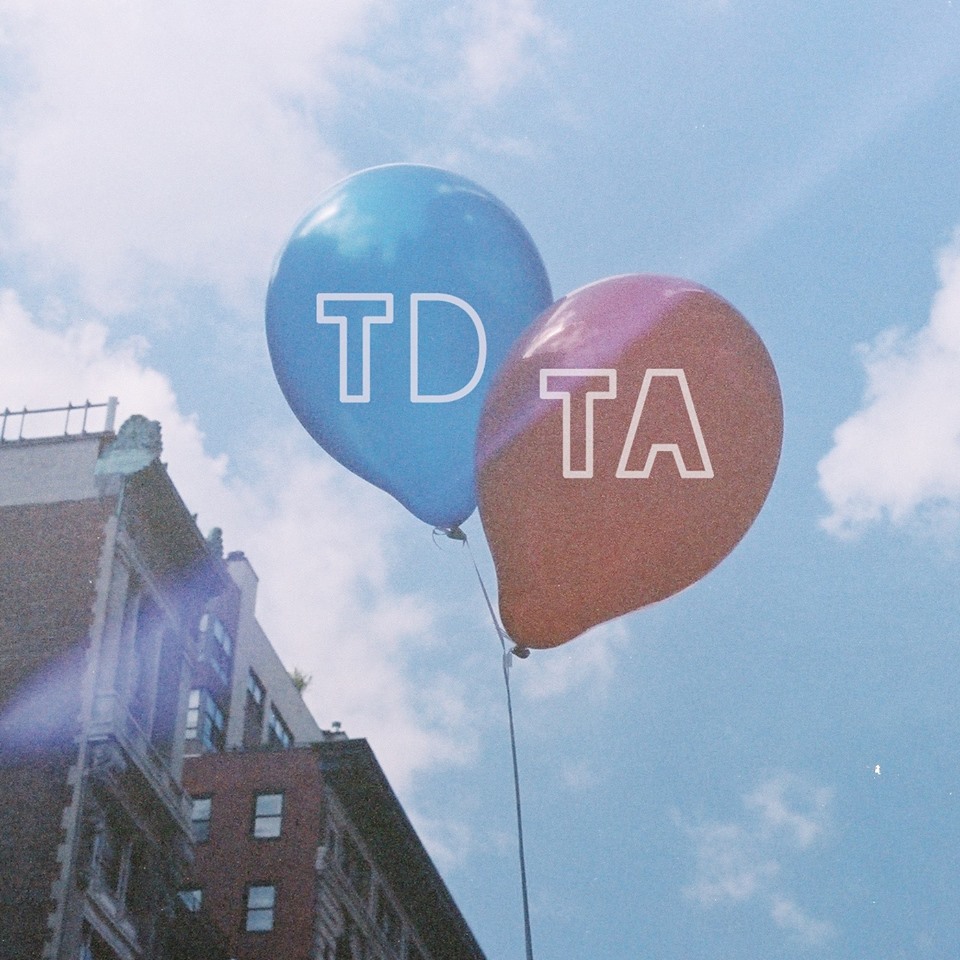
BEFORE MASTERING:
AFTER MASTERING:
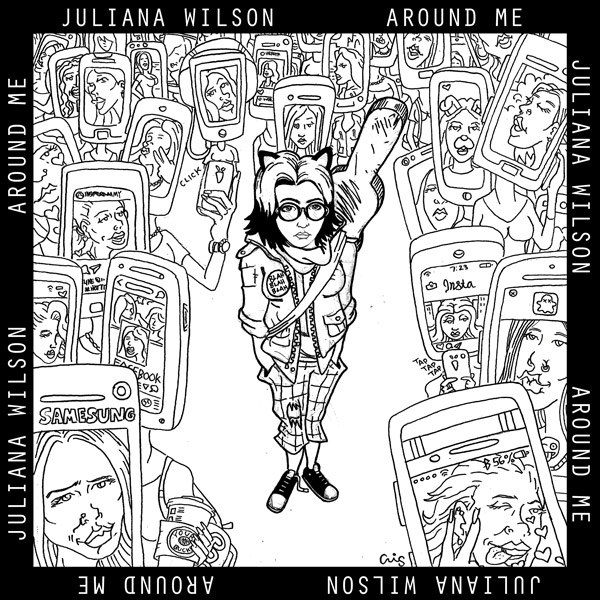
BEFORE MASTERING:
AFTER MASTERING:
BEFORE MASTERING:
AFTER MASTERING:
All MP3 samples are owned by the respective artist and posted here with their gracious permission. They were encoded at a constant bit rate using LAME at 320 kbps. While MP3s are not the greatest showcase for mastering fidelity, we think you’ll get the idea.
The most important gear in any studio is the engineer’s ears & taste, neither of which make for very good “gear porn.” You also can’t pick either of these up at Vintage King. That being said, here’s a list of the tools I’m currently using & digging:
JCF Custom Console
Lynx Hilo A/D D/A
Crane Song HEDD 192
Shadow Hills Mastering Comp
Manley Variable Mu Comp
Rupert Neve Portico II MBP
Dramastic Obsidian Stereo Comp
Knif Soma Tube Mastering EQ
High Voltage Audio EQ-6S
PSI AVAA (active bass traps)
Strauss Elektroakustik SE-NE-3s
Subwoofer Pros Sub2 12C
KRK 7000Bs
HEDDphone
JCF Custom amps
Halfer 9505
All of the plugins.
VPI HW19 w/ Rega RB300 & Grado
What is mastering? Mastering is the intermediate step between your final mix and replication/distribution. Every commercially-released album or song is mastered regardless of the budget, label, or studio behind it. Mastering can dramatically improve the sound quality, clarity, consistency, stereo image, spatial depth, portability and volume of your mixes. It is both a technical process and an art form that relies on an individual’s skill, experience and good taste. No hardware device will automatically “master” your music; no plug-in preset or automated algorithm can craft the best results for your unique mixes.
What are your rates & lead time? My rates are à la carte but I’m willing to do package deals depending on your needs and payment method. For a custom quote, please contact me with the number of songs and any other incidentals you might need (i.e. instrumentals, radio edits, optimization for vinyl, Mastered For iTunes, DDP for CD manufacture, etc). I accept Paypal, Venmo, Square Ca$h, or check. My lead time is generally 7 to 9 business days but I do offer expedited service for an additional fee. Anything else, just ask.
What is MFIT or ADM? MFIT (Mastered for iTunes), now called Apple Digital Masters are 96khz 24bit masters that have gone through an extra step to ensure there is no distortion when they are converted to the AAC format for sale on iTunes. And yes, we are an Apple approved ADM provider.
Is it OK to have compression, limiting on the mix buss for the final mixes? Short answer, yes. I trust you. Long answer, if you’re worried about it or think I could do it better, send me 2 versions with and without so I know what you’re shooting for or are used to. Generally speaking, I want to work from the final APPROVED mix.
What files do you accept? Always supply a first generation bounce of your mixes in their original sample rate and bit depth (don’t do any conversions). To maintain the highest fidelity throughout the production process, I recommend beginning your recording sessions in 24 bit… but will work with anything including AIFF, WAV, FLAC, MP3 and CD Audio. Files can be any word-length (16-32 bit) or sample rate (44.1-192khz).
What’s the best way to send you files? You can send via any large file sending service (dropbox, hightail, wetransfer, googledrive) to hdekline@gmail.com. I will send the masters back to you via Dropbox. Please note that previewing the masters via streaming from the Dropbox app (instead of downloading) will introduce artifacts that are NOT in the masters.
Is it OK if I only have MP3s? MP3s are what’s called a “lossy” file format, meaning valuable parts of your audio have been “lost” in order to reduce the file size by a factor of 12 compared with the original CD standard of 44.1kHz 16-bit. The mastering process should be reserved only for the highest quality, earliest generation audio but if a lossy file format is all that exists, we’ll work from that.
What does “radio ready” mean & what about the “loudness wars”? Your music does not need to be the loudest thing out there to sound good on the radio or anywhere else… actually, the reverse is true. Radio and streaming both provide yet another layer of extreme compression/limiting (read: distortion) that makes everything the same relative loudness no matter the volume of the original source… In fact, quieter mixes actually maintain their sonic integrity and translate better, while still being just as loud as everything else in the broadcast or stream. Whatever you decide, the customer is always right… if you want LOUD, you got it.
What is a DDP and do I need one? DDP (Disc Description Protocol) is an error protected disc image of your final CD (including music and metadata) for the purposes of CD manufacture (aka replication). It is only needed if you are manufacturing a CD (usually making more than 500). If you’re duplicating (small batch, computer copies) or distributing digitally, you do not need a DDP.
What is “ISRC“ and where do I get them? ISRC (International Standard Recording Code) is a unique digital “fingerprint” for each track for the purpose of collecting online royalties. This information is encoded within the metadata of the song-file during the mastering stage (for manufactured CDs) or afterwards during the set up for digital distribution. All of the digital distributors (CD Baby, Tune Core, Distrokid) supply them for free if you’re using their services or you can pay for them here: https://usisrc.org
Mastering/Consulting
I master around 1200 songs a year, know my room and speakers like the back of my hand and love what I do. If that sounds good to you then let’s make it sound great.